

Profiling linguistic and sociological diversity in Italian global space.
Research
Profiling linguistic and sociological diversity in Italian global space.
Minority and regional languages and communities in migration areas
Responsabile scientifico: Francesco Zuin
Pagina del progetto sul sito del Laboratorio di comunicazione e linguistica
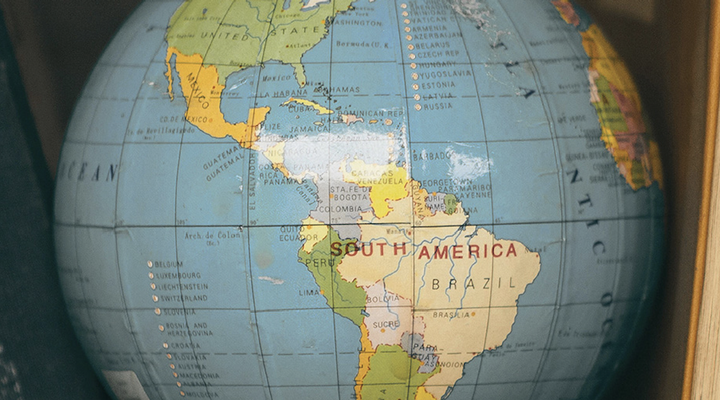
The project aims to investigate in a systematic and innovative way the presence, vitality, and transformations of Italian-origin minority and regional languages within emigrant communities abroad, addressing a key issue in the safeguarding of intangible cultural heritage: the fate of languages and linguistic identities in complex and highly multilingual migratory contexts. The research examines a broad range of geographical and social settings: communities of Veneto and Friulian origin in South America and Romania (University of Udine); Tuscan (Lucchese) communities in the United States (University for Foreigners of Perugia); and Francoprovençal-speaking Faeto communities in Canada and Switzerland (University of Chieti–Pescara). These contexts represent genuine laboratories of language contact, in which heritage languages coexist with those of the host countries and, in some cases, with standard Italian.
The project is structured around two closely integrated levels of analysis. On the one hand, a sociolinguistic perspective aimed at assessing the external and internal vitality of migrant languages: their diffusion within the community, intergenerational transmission, domains of use, speakers’ attitudes, and contact-induced language change. On the other hand, a sociological perspective reconstructs family migration histories, social networks, pathways of socio-economic and cultural inclusion, and processes of identity reconfiguration within the communities involved. The goal is to understand whether and how the social characteristics of these communities influence the maintenance or erosion of heritage languages.
From a methodological point of view, the research combines quantitative and qualitative tools: sociolinguistic and sociological questionnaires, in-depth interviews, linguistic autobiographies, the collection of oral and written texts, audiovisual materials, and historical documentation. This extensive corpus of data will allow not only for comparative analyses across different contexts, but also for a theoretical reflection on the relationships between multilingualism, identity, and language change in long-term migration settings.
One of the most significant and innovative outcomes of the project is the creation of an open-access Digital Archive of migrant regional and minority languages, hosted on university infrastructures and designed according to FAIR principles (Findable, Accessible, Interoperable, Reusable). The Archive will collect and make available interviews, audio-video recordings, texts, questionnaires, and analyses, constituting a valuable resource both for the scholarly community and for speaker communities, within a framework of restitution, valorisation, and strengthening of ties with the territories of origin.
The project, with a duration of 24 months, is carried out by an interdisciplinary research group involving:
- University of Udine – Francesco Zuin (P.I.), Raffaella Bombi; research fellow Diego Sidraschi; collaborator Silvia Cabriolu.
- University of Chieti–Pescara – local unit coordinator Carmela Perta; Valerio Pisaniello; research fellow Valentina Del Vecchio.
- University for Foreigners of Perugia – local unit coordinator Maria Dentale; Stefania Scaglione, Stefania Tusini; research fellow Barbara Nicoletti.
The three units integrate expertise in linguistics and sociolinguistics with that of migration sociology and digital humanities. Thanks to this synergy, the research aims not only to produce scientific advancement, but also to contribute concretely to the safeguarding of Italian and minority linguistic and cultural heritage worldwide, promoting inclusion, identity awareness, and cultural sustainability.